AI Phone Receptionist vs AI Follow-Up Assistant: Which Should a Small Business Hire First?
On this page
Your competitor with two fewer staff members is somehow closing more business than you. Same market, same pricing, roughly the same reputation. The difference isn’t hustle. It’s that their phone gets answered at 7 PM on a Tuesday when a homeowner’s pipe bursts, and three weeks later when that same homeowner hasn’t heard back about the quote, something follows up automatically.
Two separate problems. Two separate tools. And most small business owners trying to add a small business AI assistant to their operation buy the wrong one first — or buy both and wonder why only one is paying off.
We’ve watched this play out enough times to have a clear opinion. The right answer depends on one diagnostic question. We’ll get there — but first, a clear picture of what each tool actually does in practice.
What an AI Phone Receptionist Actually Does
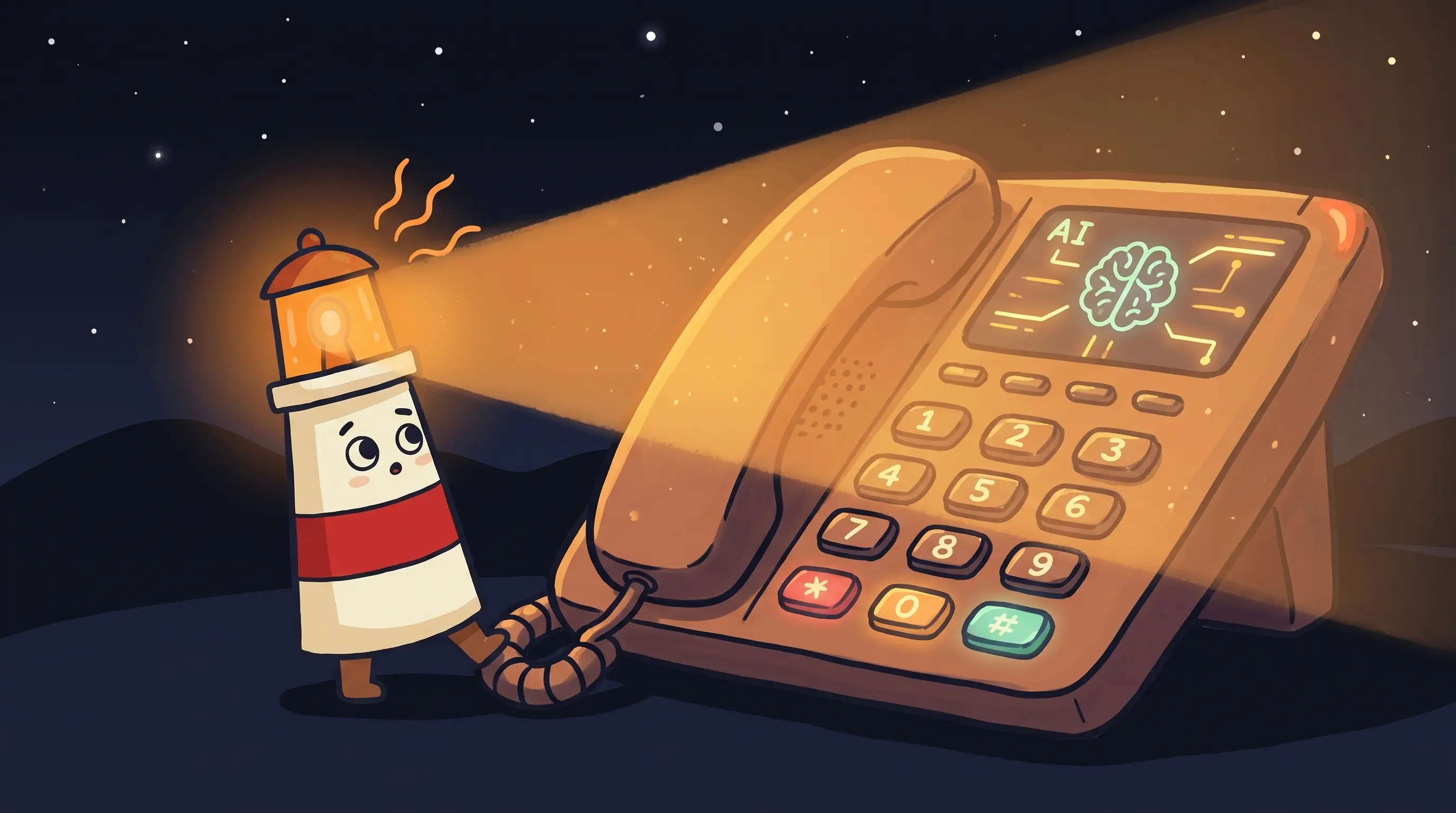
An AI phone receptionist answers your incoming calls in under 5 seconds — every call, every time, including 11 PM on a Saturday. It qualifies the caller, books appointments directly into your calendar, takes messages, handles basic FAQs, and routes emergencies to a human. The best ones resolve 90–95% of calls without any human involvement, according to data from nearly 1.5 million real business calls.
What it doesn’t do: it doesn’t remember that this caller used your service two years ago and had a complaint. It doesn’t proactively reach back out. It sits at the door and handles whoever walks up.
Setup is faster than most people expect. Off-the-shelf AI phone receptionists typically take 1–4 hours of active configuration — compared to 1–2 weeks of scripting and training sessions for a human answering service. You connect your business phone number, configure your hours and FAQs, link your calendar, and you’re live.
What an AI Follow-Up Assistant Actually Does
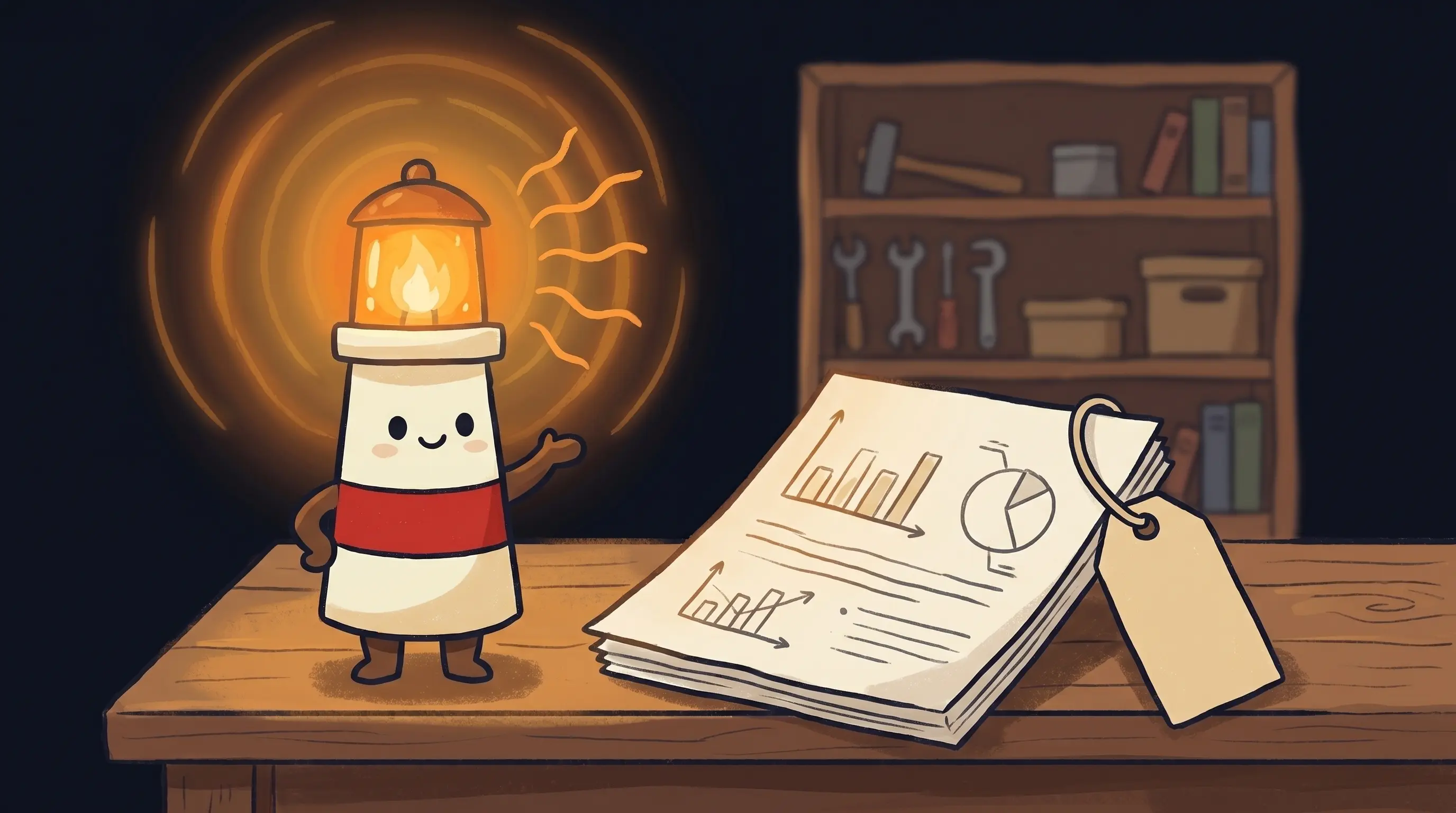
An AI follow-up assistant works on the other end of the funnel. A lead already came in — by phone, web form, or email — and now needs to be nurtured. The assistant sends follow-up emails or texts, reminds the prospect of their quote, checks in after a service, and keeps the thread alive through the 5th, 8th, and 12th touch.
That persistence matters more than most owners realize. 80% of B2B sales happen between the 5th and 12th follow-up, yet most business owners or reps stop after two attempts. An AI follow-up assistant addresses exactly this drop-off — not the initial inquiry, but the failure to stay in the conversation long enough to close.
What it doesn’t do: it doesn’t answer the phone. It doesn’t capture the lead who never sent a message. It can only work with contacts already in your system.
The One Question That Decides It
Here’s the diagnostic: Where are you losing business — before the lead enters your system, or after?
If you don’t know, start with your phone. Industry data shows home services contractors miss 60–80% of incoming customer calls, and 62% of calls to home services businesses go completely unanswered. For most local service businesses — HVAC, plumbing, salons, dental offices, attorneys, med spas — phone calls represent 60–85% of inbound leads. That’s not a follow-up problem. That’s a leak before the funnel even starts.
Businesses deploying an AI phone receptionist typically recover 20–40% of previously missed calls within the first 30 days. That’s new revenue from work that was already being lost silently.
But if you answer most of your calls and your pipeline already has leads in it — and those leads are going quiet after the first email or quote — the phone isn’t your problem. Your problem is follow-through. That’s where the AI follow-up assistant earns its keep.
If you’re still figuring out which category of AI tool fits your business, our overview of AI automation for small businesses lays out the broader landscape.
Cost Reality: What Each Tool Actually Costs vs a Human
A full-time human receptionist in the United States runs $35,000 to $50,000 per year — and that’s before you account for sick days, turnover, training, and the fact that they work eight hours a day, five days a week. AI phone receptionists are available at flat monthly rates from $49 to $349, work around the clock, and don’t call in sick the day before a holiday.
AI follow-up assistants sit in a similar price bracket — usually a monthly SaaS fee that covers automated sequences, CRM connection, and message drafting. Neither tool requires IT setup or a development team.
The comparison to a human isn’t really fair to the human. But it makes the budget math obvious: both tools cost roughly 1–2% of what a full-time hire would cost, and they don’t compete with each other for headcount.
When a Business Should NOT Use an AI Phone Receptionist
Not every business should automate the phone. Some businesses are built on the personal voice that answers. Estate planning firms. Traditional wealth management practices. Boutique law firms whose clients skew 60 and older. For these businesses, the brand damage from a bot-answered call outweighs the labor savings.
There’s also a threshold for custom builds. An off-the-shelf AI phone receptionist is the right call for most small businesses. A fully custom build only makes sense under specific conditions: you’re managing more than 2,000 calls per month, you need compliance coverage (HIPAA, FINRA, or attorney-client privilege), you need multilingual support beyond English and Spanish, or your brand voice is genuinely a competitive moat that a configurable tool can’t capture.
When to Flip the Order and Start with AI Follow-Up
There are real scenarios where the follow-up assistant comes first.
You run a consulting practice, creative agency, or B2B service business where most leads come in via web forms, email, or referrals — not inbound calls. Your phone coverage is fine. What’s broken is the proposal that goes out and never gets followed up, the inquiry that gets a reply on day one and then silence for two weeks, the estimate that sits in someone’s inbox while your competitor calls twice more.
In that case, an AI follow-up assistant is the right tool. It drafts the check-in emails, stages the sequence, and keeps the thread warm — while you review before anything gets sent. The 5th follow-up happens because the system remembers to do it. You don’t.
If email is where your leads live, the article on keeping your inbox under control with AI help shows how the drafting-and-review model works in practice.
Side-by-Side: AI Phone Receptionist vs AI Follow-Up Assistant
AI Phone Receptionist
✔ Answers calls 24/7, under 5 seconds ✔ Books appointments, qualifies leads ✔ Resolves 90–95% of calls without human help ✔ Recovers 20–40% of missed calls in 30 days ✔ $49–$349/month ✔ 1–4 hour setup
✘ Can’t proactively reach out ✘ Doesn’t work with existing CRM leads ✘ May feel impersonal for relationship-heavy brands
AI Follow-Up Assistant
✔ Stages multi-touch sequences automatically ✔ Works across email, text, CRM ✔ Handles the 5th–12th touch most reps skip ✔ Drafts messages for review before send ✔ Monthly SaaS pricing, similar bracket ✔ No phone infrastructure needed
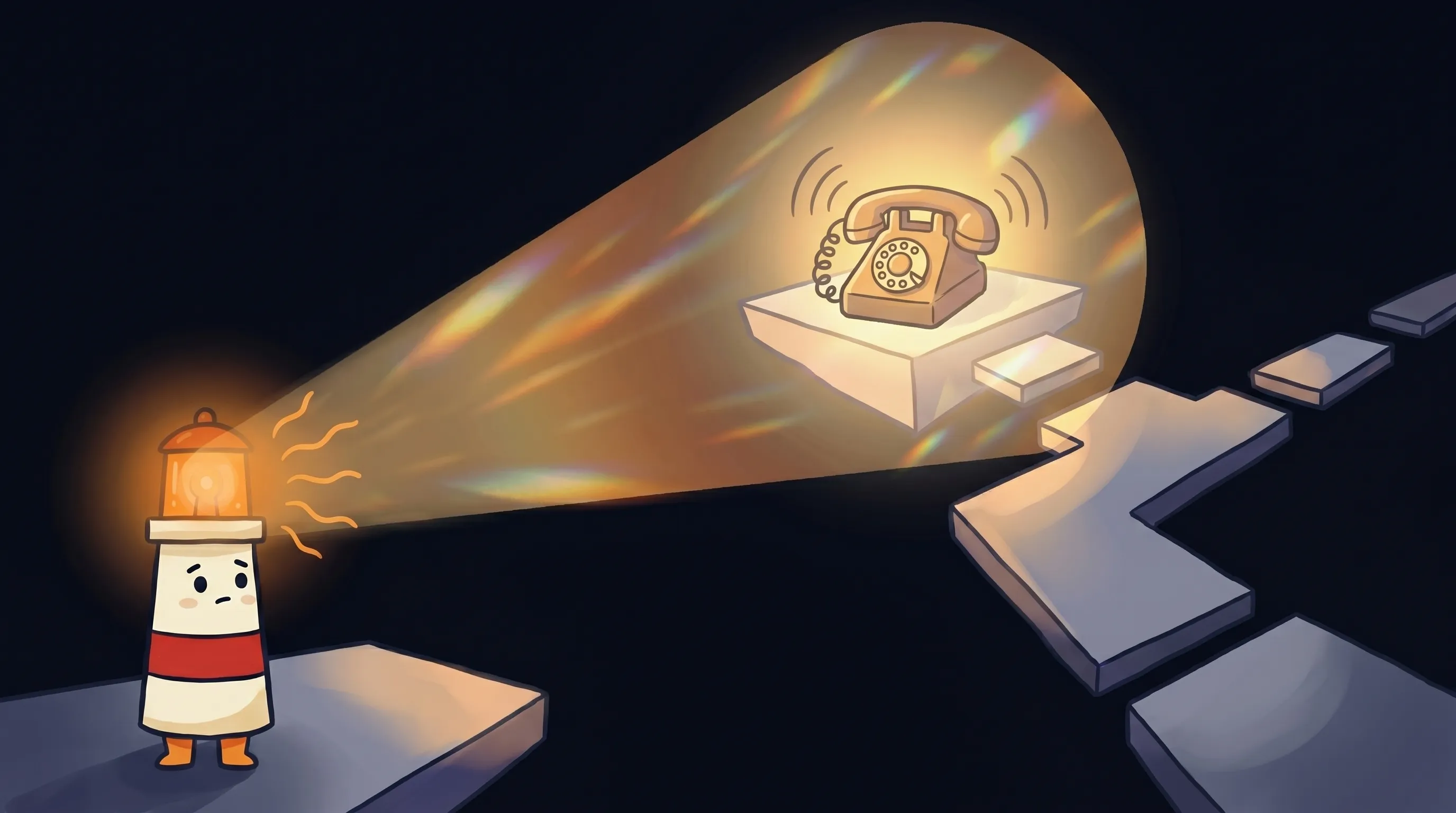 Some decisions feel big — but Beacon’s here to help you find the right starting point.
✘ Needs leads to already exist in system ✘ Can’t capture inbound callers ✘ Sequences need setup and tuning
The Adoption Curve Most Small Business Owners Are Missing
A year from now, the strange thing won’t be having an AI tool handling your calls or your follow-ups. It’ll be still doing both manually while the business two blocks over answers every call, stages every sequence, and hasn’t hired an extra person to do it.
The gap doesn’t come from a single breakthrough. It comes from dozens of small delays removed every week — the call that got answered at 9 PM, the follow-up that went out on day eight instead of never. Those compound. Faster response means more first-mover advantage. Better follow-through means more conversions from the same lead volume.
Neither tool replaces judgment. The AI phone receptionist handles the call; a human handles the complex job. The AI follow-up assistant drafts the email; the owner reviews it before it sends. The control model stays intact. What changes is the hours spent doing things a piece of software can do reliably at 3 AM.
For a broader picture of where these tools fit into a small business stack, see our guide to AI agents for small business in 2026.
Your First 30 Days: A Decision and Action Plan
Here’s how to move from ‘which one?’ to ‘it’s running’.
- Run the diagnostic first. Pull your call logs for the last 30 days. What percentage of inbound calls went unanswered? If it’s above 20%, start with the AI phone receptionist. If it’s under 10% and you have leads going cold after first contact, start with the follow-up assistant.
- If phone is the problem: choose an off-the-shelf AI phone receptionist (budget $49–$349/month), block 1–4 hours for configuration, and go live within the week. No IT team required.
- If follow-up is the problem: map your current follow-up process on paper first — what touchpoints should happen, at what intervals. The tool automates the map; you need the map to exist before you automate it.
- Set a 30-day check. For AI receptionists, track recovered calls and booked appointments. Expect 20–40% improvement in captured calls. If you’re not seeing movement, the issue may be call routing or script configuration, not the tool itself.
- Review before anything goes external. Whether it’s a drafted follow-up email or a call summary sent to a client, build in a review step. Both tools should be configured to draft first and notify you before customer-facing actions go out.
- If your call volume is under 2,000 calls/month and you don’t have HIPAA or similar compliance requirements, don’t buy a custom build. Off-the-shelf tools cover this range well and save months of setup.
- Once the first tool is running and stable (typically 4–6 weeks), layer in the second. The two aren’t competing — one captures leads, one converts them.
What This Means for Your Business in Practice
- For local service businesses where calls are the primary lead channel, an AI phone receptionist is almost always the right first tool — 62% of calls to home services businesses go unanswered, and that’s the leak to fix first.
- An AI follow-up assistant is the right starting point for B2B services, agencies, and consultants where most leads come in via email or web form rather than inbound calls.
- Both tools cost $49–$349/month — a fraction of the $35,000–$50,000/year cost of a full-time human receptionist.
- Off-the-shelf AI receptionists take 1–4 hours to configure and go live. You don’t need a developer or an IT team.
- Neither tool should act without a review step for complex or sensitive customer-facing output. Draft first, approve before send.
- Businesses built on personal voice (estate planning, traditional wealth management, boutique law) should test a hybrid approach before full automation.
The businesses that figure this out first get a compounding advantage. The ones that wait keep paying the same cost — in missed calls, cold leads, and hours spent on things software handles reliably. The technology isn’t the hard part anymore. The hard part is running the diagnostic and making the call.
Frequently Asked Questions
Can a small business use both an AI phone receptionist and an AI follow-up assistant at the same time?
Yes, and eventually most businesses should. They solve different parts of the same funnel — one captures inbound leads, the other converts them. But layering both tools at once before either is configured well usually means neither gets the attention it needs. Start with the bigger leak, get it stable over 4–6 weeks, then add the second.
How much does an AI phone receptionist cost for a small business?
Off-the-shelf AI phone receptionists are available for $49–$349/month depending on call volume and features. That compares to $35,000–$50,000 per year for a full-time human receptionist including salary, taxes, and benefits. For most small businesses, the budget math is straightforward.
Will an AI phone receptionist sound robotic to my customers?
Modern AI receptionists are significantly more natural than the phone trees of a decade ago. Across a large dataset of real business calls, the top products maintain 99% positive caller sentiment. That said, callers often know they’re talking to a system. For businesses where the personal voice is a brand differentiator — particularly with older clientele — a hybrid setup (AI after hours, human during business hours) is a better starting point.
What's the difference between an AI follow-up assistant and a CRM reminder?
A CRM reminder tells you to follow up. An AI follow-up assistant drafts the follow-up for you, stages it across multiple touchpoints, and (depending on your settings) queues it for review before sending. The difference is execution: reminders require you to do the work; an AI assistant does the drafting so you’re reviewing rather than writing from scratch.
Do I need a developer or IT team to set up an AI phone receptionist?
No. Off-the-shelf AI phone receptionists are designed for non-technical users. Setup typically takes 1–4 hours: connect your business phone number, configure your business hours and FAQs, link your calendar, and go live. Custom builds are a different story — but most small businesses don’t need one.
Sources
- AI Receptionist for Small Business: 2026 Guide — Zellyfi
- Best AI Receptionist for Small Business (2026 Comparison) — NextPhone
- The Complete Guide to Voice AI Receptionists for US Businesses (2026) — PerezCarreno & Coindreau
- How to Set Up an AI Receptionist (2026 Guide) — Dialphone
- Website Chatbot vs Phone Receptionist for Small Business — Michael Heredia
- AI Receptionist for Small Business in 2026: Off-the-Shelf vs Custom — Automaton Agency
- AI Follow Up Email Guide: Templates That Convert 2026 — Tomba Blog