How to Connect WhatsApp to Your AI Agent — Step-by-Step Setup Guide

On this page
When this is done, messages sent to your WhatsApp number get answered by your AI agent — not by you. Your agent handles the reply, maintains context across the conversation, and only flags you when something genuinely needs a human decision. You can be in a meeting. You can be asleep. Someone messages your number at 11 PM and gets a coherent, helpful response in seconds. That’s the end state. Here’s how to get there. If you’re still weighing whether a personal AI automation setup is right for you, start there — this guide assumes you’ve already decided.
There are two paths to connect WhatsApp to an AI agent. One is stable, production-ready, and built to scale. The other is faster but comes with a compliance risk most setup guides bury in a footnote — or skip entirely. I’ll show you both. But before you pick a method, understand what’s actually at stake with each one.
Before You Start: What You Need
Prerequisites depend on which method you’re using. Get these in order before you touch any configuration:
A dedicated phone number
Must be a number you're not currently using for personal WhatsApp. Once it's connected to the Business API, it can't run personal WhatsApp simultaneously — the two are mutually exclusive.
A Meta Business account
Required for the Business API path. If you don't have one, create it at business.facebook.com. Business verification documents (articles of incorporation, business registration) must be ready to upload.
Your AI agent platform credentials
You'll need your agent's webhook URL and API key. If you're running on BrainRoad or a similar hosted platform, these are in your agent's settings panel.
A Facebook Developer account
Needed to create a Meta App and access the WhatsApp API configuration. Free to set up at developers.facebook.com.
For QR pairing only: your primary phone
The QR method requires your phone to stay connected and online. If your phone loses internet, the agent goes offline. Plan accordingly — and read the compliance section before committing to this path.
Method A: WhatsApp Business API (The Production Path)
This is the right setup for anything customer-facing or anything you want running reliably six months from now. It takes longer to configure. It’s worth it.
Create a Meta App (10 minutes)
Go to developers.facebook.com and create a new app. Select 'Business' as the app type. Once created, add the WhatsApp product from the left sidebar. This gives you access to the WhatsApp API Setup dashboard.
Submit Business Verification (1–7 business days)
Meta requires verification before granting full API access. Upload your business registration documents — articles of incorporation, a KvK extract, or equivalent. This is the waiting step. Submit it first and set up the rest of your configuration while it processes. Approval typically arrives within a week.
Add and verify your phone number (15 minutes)
In your Meta App dashboard, navigate to WhatsApp > API Setup. Add a phone number and verify it via SMS or voice call. Important: this number will be permanently tied to the Business API. It cannot be used for personal WhatsApp at the same time.
Copy your Phone Number ID and Access Token (2 minutes)
Still in the API Setup screen, copy your Phone Number ID and your Access Token. You'll need both to connect your AI agent. Treat the Access Token like a password — anyone who has it can send messages from your number. Never put it in version control or share it publicly.
Configure your agent's webhook (10 minutes)
In your agent platform, paste your Phone Number ID and Access Token into the WhatsApp integration settings. Then copy the webhook URL your agent generates and paste it back into the Meta App dashboard under WhatsApp > Configuration. Set the webhook to subscribe to 'messages' events.
Verify the webhook and send a test message (5 minutes)
Meta will send a verification request to your webhook URL. Your agent platform should handle this automatically with the right verification token. Once verified, send a test WhatsApp message to your connected number. If your agent replies, you're live.
Method B: QR Pairing (For Testing Only)
The QR method gets you connected in under five minutes. Open your agent platform, find the WhatsApp QR pairing option, scan the code with your phone’s WhatsApp (same as you’d connect WhatsApp Web), and the agent starts receiving messages. No Meta account required. No verification wait.
But read the next section before you build anything on top of this.
The Compliance Trap Nobody Warns You About
Here’s what most setup tutorials skip: the QR pairing method uses the WhatsApp Web protocol to automate a regular consumer account. That violates WhatsApp’s Terms of Service for automation.
What does that mean practically? Meta can detect automated usage on consumer accounts and ban the number — without warning, without appeal, without explanation. You don’t find out until your agent stops responding. If that number is your business contact that clients have saved, the fallout is significant.
There’s also a stability problem independent of the ToS issue. The QR connection requires your phone to stay connected. Signal drops, battery dies, your phone restarts after an update at 3 AM — and your agent goes offline until you manually rescan the code. For a personal experiment, that’s annoying. For anything a client might message, it’s a credibility problem.
The two methods aren’t really competitors. They serve different purposes. QR is a sandbox. The Business API is production. If you’re reading this because you want a WhatsApp agent that works reliably, Method A is your answer.
What Your Agent Can Actually Do Once It’s Connected
Once the connection is live, the agent handles more than text messages. Voice notes work — your agent transcribes the audio, processes the request, and replies in text. You’re driving, you ask about your schedule, a summary appears before you reach your destination.
Group chats work too. Add your agent to a team WhatsApp group and configure it to respond only when mentioned. It stays quiet until someone needs it, then answers and goes silent again. Not every message — just the ones addressed to it.
Unlike a basic rule-based bot that follows a decision tree, an AI-powered WhatsApp agent understands natural language, remembers context within a conversation, and can connect to external systems — your calendar, your customer database, your email. The difference between a bot and an agent is whether it can handle a follow-up question. A bot can’t. An agent can.
If you want to understand the broader capability range before you configure anything, the best AI agents overview covers what modern agents can and can’t do in production.
How to Know It’s Working
- Send a test message to your connected WhatsApp number. Your agent should reply within a few seconds. If it takes longer than 30 seconds, check your webhook configuration.
- Send a voice note. If voice transcription is enabled, your agent should transcribe and respond to the content — not just acknowledge receipt.
- Send two related messages in sequence. Ask a question, then ask a follow-up that only makes sense in context. If the agent answers the follow-up correctly, context retention is working.
- Check your agent platform’s activity log. You should see incoming messages and outgoing replies with timestamps. No activity in the log means the webhook isn’t firing.
- If you’ve connected external tools (calendar, email), trigger a task through WhatsApp and verify the downstream action occurred.
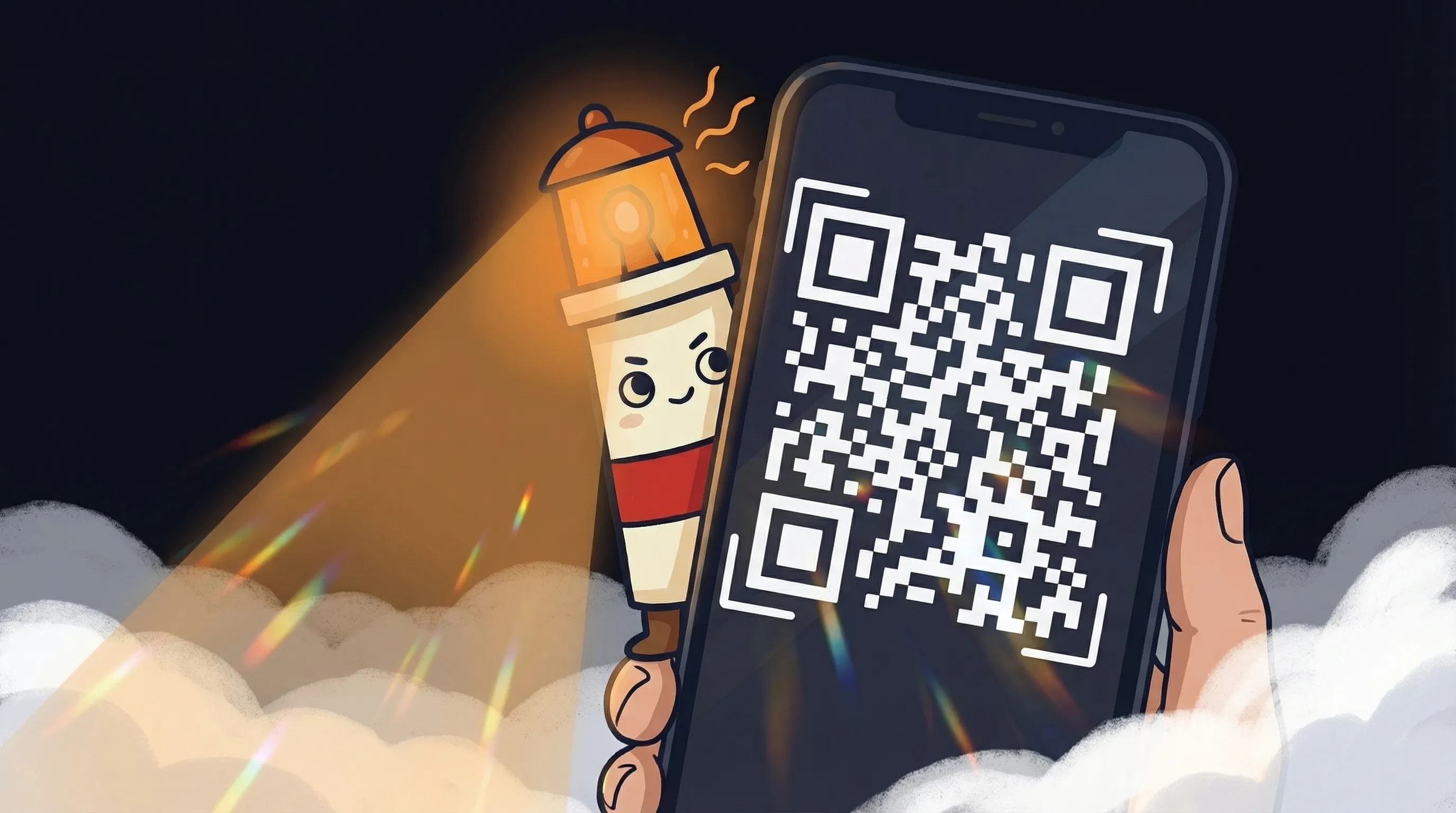 Beacon says: your AI agent has been waiting by the phone — let’s finally get WhatsApp connected.
When Things Break
Most WhatsApp integration failures fall into four categories. Here’s what’s actually happening and what to check:
- Agent doesn’t reply: Check that your webhook URL is verified in the Meta App dashboard and that the ‘messages’ subscription is active. A misconfigured or unverified webhook silently drops all incoming events.
- Access token errors: Meta’s initial token expires after a few hours. If replies stopped after your first test, you’re using a temporary token. Switch to a permanent System User token in Meta Business Manager.
- Webhook verification failing: Your agent platform needs to respond to Meta’s verification challenge with the correct token. Check that your webhook verification token in the platform matches what you configured in the Meta App dashboard.
- QR session dropped: The phone went offline or the session timed out. Rescan the QR code. This is a structural limitation of the QR method — not a fixable bug.
- Phone number rejected: Numbers that have previously been associated with personal WhatsApp may require an additional step to migrate to the Business API. Check Meta’s number migration documentation for your specific region.
- Messages received but not processed: Your agent is receiving the webhook event but not routing it correctly. Check your agent’s message handling configuration — usually a missing or incorrect phone number ID in the mapping.
Your WhatsApp Agent Setup Checklist
If you’re starting this week, here’s the exact sequence:
- Day 1 — Submit Meta verification first. The 1–7 day wait is your bottleneck. Don’t let it be the last thing you do. Create your Meta Business account, create the app, and submit business verification documents before you touch anything else.
- Day 1 — Set up your agent while you wait. Configure your AI agent platform, generate your webhook URL, and test the agent’s responses using any available sandbox or test environment.
- Day 2–7 — Verification processing. Use this time to decide which phone number will be dedicated to WhatsApp Business API. Remember: it cannot run personal WhatsApp once it’s live. Get a dedicated SIM or VoIP number if you don’t have one.
- Day 1–3 (optional) — QR pairing for development. If you want to test agent responses before verification completes, set up QR pairing on a throwaway number. Never use this path for a number clients have.
- After approval — Connect your phone number. Add your number to the Meta App, verify via SMS, copy your Phone Number ID and permanent Access Token.
- Final step — Webhook integration. Paste credentials into your agent platform, register the webhook in Meta’s dashboard, subscribe to ‘messages’ events, and send your first live test message.
- If your agent handles customer inquiries: Budget for a response audit in the first 48 hours after go-live. Review at least 20 conversations to verify context retention and reply accuracy before relying on it fully.
What This Means for Your Messaging Workflow
- WhatsApp has over 2 billion users — your agent lives where your contacts already are, no new app adoption required
- The Business API method is the only compliant path for production use; QR pairing violates WhatsApp’s Terms of Service for automation and can result in the number being banned without notice
- Business verification takes 1–7 days — submit it before doing anything else to avoid it becoming your go-live blocker
- Your Phone Number ID and Access Token are the two credentials that connect everything — keep the token private, use a permanent System User token in production
- Once live, your agent handles text, voice notes, and group chat mentions — and connects to external tools like your calendar and customer records
Frequently Asked Questions
Can I use my existing personal WhatsApp number with the Business API?
No. A phone number connected to the WhatsApp Business API cannot run personal WhatsApp at the same time — they’re mutually exclusive. You’ll need a separate number dedicated to the agent. A VoIP number from a service like Twilio works if you don’t want a physical SIM.
How long does Meta business verification take?
Meta states 1–7 business days for business verification. In practice, straightforward applications with clean documentation tend to complete on the faster end. Submit your business registration documents in the format Meta specifies for your country and don’t leave the application incomplete — partial applications stall indefinitely.
Is the QR pairing method safe to use if I'm just testing?
For personal experiments on a number nobody else uses, it’s low-risk. The concern is using QR pairing on a number that clients or contacts have saved — Meta can ban that number for ToS violations without notice. Use a throwaway number for QR-based testing and keep your real business number for the Business API path.
Can my WhatsApp agent understand voice messages?
Yes. WhatsApp AI agents can transcribe voice notes and respond based on the content. The agent converts your voice note to text, processes the request, and replies in text. This works over the Business API as long as your agent platform has voice transcription enabled.
What's the difference between a WhatsApp AI agent and a WhatsApp chatbot?
A rule-based chatbot follows a decision tree — it can only respond to inputs it was explicitly programmed to handle. An AI agent understands natural language, maintains context across a conversation, handles follow-up questions, and can connect to external systems like your calendar, email, or customer records. The practical difference: a chatbot breaks on unexpected input; an agent adapts.
Do I need to know how to code to connect WhatsApp to my AI agent?
BrainRoad hosts OpenClaw and Hermes with their WhatsApp integration capabilities available, but the owner still configures the chosen runtime path and supplies the required Meta or provider credentials. Some paths use a QR flow; WhatsApp Business API paths require the Meta App dashboard, a Phone Number ID, an access token, and possibly webhook configuration.
Related BrainRoad guides
Related BrainRoad guides
Sources
- DoneClaw — OpenClaw WhatsApp Setup Guide
- ClawPort — Business API + QR Pairing Setup
- OpenClaw Setup — WhatsApp Integration
- OpenClaw Launch — Step-by-Step Bot Guide
- Ameany — Build WhatsApp AI Agent for Business
- Waslo — Setup WhatsApp AI Agent in Under 2 Minutes
- Twilio — WhatsApp AI Agent with Node.js and OpenAI