Best AI Employee Software for Small Business Owners: Approval-Gated Tools Compared
On this page
The cost math sounds impossible to argue with. A $50,000-a-year admin hire actually costs you between $75,000 and $96,000 once you factor in benefits, payroll taxes, training, and the inevitable turnover. AI employee software runs $299 to $899 a month — roughly $3,600 to $10,800 a year. That’s a 7x to 25x difference, according to cost breakdowns published by EchoAI. The pitch practically writes itself.
So why did 88% of HR and operations buyers report no significant ROI from their AI employee investments? That number, from a 2026 Giga Catalyst analysis, is the part the vendor demo skips entirely. The software worked. The deployment failed. And the reason is almost always the same thing — something we’ll get into after the comparison.
If you’re evaluating AI employee software right now, you’re not alone. About 68% of small businesses used AI in some form as of 2025, up from 48% the year before, per a U.S. Chamber of Commerce and Teneo survey. The category has exploded. The question isn’t whether to buy — it’s which tool actually holds up when you hand it a real task, and whether it checks with you before doing anything that touches a customer. That’s what this guide is for. If you’re still deciding whether AI automation is even worth pursuing, start with our AI automation overview first — then come back here.
Why Most AI Employee Purchases Fail Before Day 30
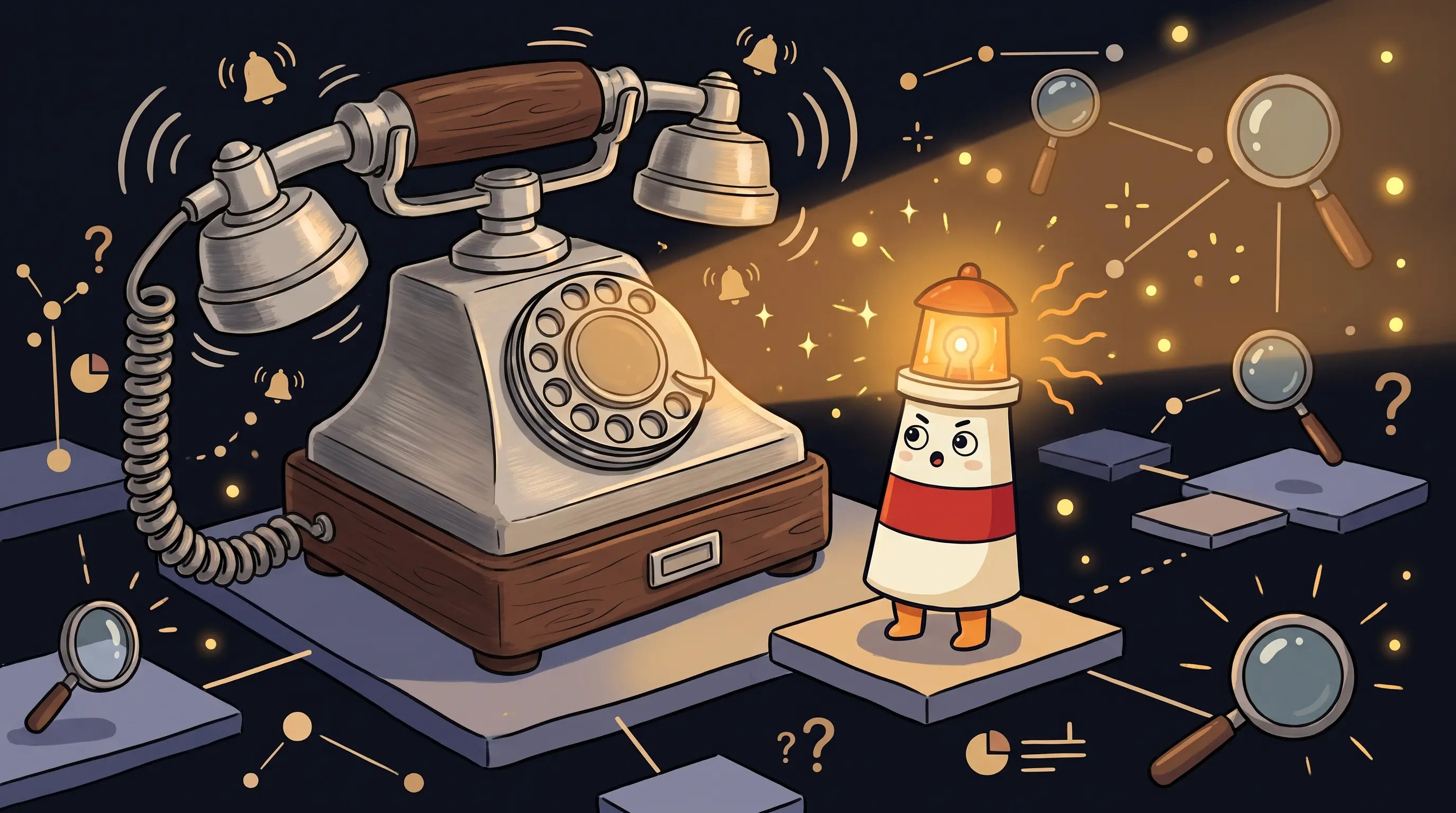
Picture this: you sign up for an AI employee platform on a Tuesday. The demo looked clean. The onboarding wizard walks you through connecting your inbox. By Wednesday, the AI has drafted three customer replies — and every one of them is technically correct, generically worded, and missing the tone your clients expect from you. By Friday, you’ve stopped checking the drafts. By the following Tuesday, the subscription is sitting unused.
This isn’t a software failure. It’s a hiring failure. The most common buying mistake in this category is subscribing based on a polished demo without writing a one-outcome role description first. A human hire made that way fails. An AI hire made that way fails faster — because the AI will confidently do the wrong thing at scale.
The fix is the same one experienced hiring managers already use: write the role description before you evaluate candidates. In AI employee terms, that means picking one workflow — lead follow-up, customer reply drafts, quote prep, inbox triage — and defining what a good output looks like before you log into a single demo. Everything else in this comparison is secondary to that.
What Approval-Gated AI Employee Software Actually Means
Not all AI employee tools work the same way. The critical distinction, for a small business owner who can’t afford a rogue email going to a client, is whether the software drafts work for you to review — or whether it acts on its own and tells you afterward.
Approval-gated means draft first, approve second. The AI prepares the reply, the follow-up, the quote summary, or the task — and nothing goes out, gets posted, or changes in your systems until you say so. This isn’t a nice-to-have. It’s the difference between a useful tool and a liability.
Claude for Small Business describes it directly in their product documentation: “You approve each step or let it run end-to-end using tools you choose.” That optionality — step-by-step review or full autonomy — is the right architecture. You start with maximum review, build trust over time, and expand what the AI handles autonomously only when you’re confident in its outputs.
Best AI Employee Software for Small Business: The Comparison
Here’s how the main categories of AI employee software stack up on the dimensions that matter most to a small business owner: approval controls, setup time, context depth, and cost.
Off-the-shelf platforms — Lindy, Heyy, Sintra, and tools like them — get you live fast. Hours to days for standard workflows: lead follow-up, customer support queues, scheduling coordination, inbox management. The approval model varies by platform, so check before you buy. These tools hit capability ceilings when your workflow is proprietary or complex, but for common tasks they’re a reasonable starting point.
Claude for Small Business sits in a different category. It’s not a workflow automation layer — it’s an AI with explicit human approval controls built into the product architecture. You can approve each step individually or let it run end-to-end. The catch: it requires more setup thinking on your part. You’re defining the workflow, not clicking through pre-built templates.
Context-first platforms — BrainRoad and tools built on a similar model — start by organizing your business files, notes, customer history, templates, and rules before the AI drafts anything. The AI works from your actual information, not from a generic prompt. Approval is built in by design: drafts surface for review before anything external happens. Setup takes longer than a one-click platform, but the output is grounded in your business rather than a generic knowledge base.
Off-the-shelf workflow platforms (Lindy, Heyy, Sintra)
Fast setup (hours to days), standard workflow templates, lower customization ceiling. Good for common tasks. Approval controls vary — verify before buying.
Claude for Small Business
Explicit step-by-step approval controls or end-to-end autonomy. Requires more setup definition from you. Suited for owners who want architectural control over the review layer.
Context-first AI helpers (BrainRoad and similar)
Organizes your files, notes, customer history, and rules first. AI drafts from your actual business context. Approval is structural, not optional. Slower initial setup, more useful outputs.
Manual ChatGPT/Claude tab approach
Maximum control, zero proactive behavior. Requires you to show up and prompt. Not an 'employee' — more like a capable contractor who only works when you're in the room.
The Part the Demo Won’t Show You
Here’s where the 88% ROI failure number starts to make sense.
Every demo uses clean data. Your business runs on chaos. Every demo shows one user with a clear workflow. Your inbox has twelve different types of requests, three customers who write in all-caps, and a follow-up sequence you’ve never fully written down. The AI doesn’t know any of that — unless you tell it.
The root cause of generic AI failure, identified in the same analysis that produced that 88% figure, is AI that doesn’t adapt to how each company actually operates. That’s not a bug in the software. It’s a context problem. The AI is genuinely capable — it just doesn’t have the information it needs to be useful for your specific business.
This is why the role description matters more than the feature list. Before you evaluate a single platform, write this down: what is the one task you want this AI to handle, what does a good output look like, and what rules or examples would help it get there? That document — even if it’s a page of notes — is the difference between an AI employee that works and one you cancel after three weeks.
Where AI Employee Platforms Fall Apart
No platform is the right fit for every business. Here’s where the main categories break down in practice.
- Off-the-shelf platforms hit walls fast on complex or proprietary workflows. If your quoting process has more than a few decision points, a template-based tool will produce outputs you have to rewrite every time.
- Approval controls aren’t universal. Some platforms default to autonomous sending with an optional review setting. Read the default behavior carefully — what happens when you’re not watching matters more than what happens during the demo.
- Generic context produces generic outputs. An AI employee that doesn’t know your pricing rules, your customer history, or your tone will draft replies that are technically correct and professionally useless.
- The cost savings disappear if you spend two hours a day fixing drafts. The 7x–25x cost advantage over a human hire assumes the AI is actually reducing your workload, not creating a new editorial job.
- Setup time is real. Context-first platforms require meaningful upfront investment to organize your files, notes, and rules. Budget for that time — it pays off, but it’s not instant.
- Gartner’s 40%+ scrapped-by-2027 figure isn’t a prediction about software quality. It’s a prediction about deployment discipline. Most failures will trace back to unclear scope, not broken features.
How to Choose the Right AI Employee Software for Your Business
Start with the job, not the platform. Write down the one workflow you want to hand off first. Be specific: not ‘follow-ups’ but ‘draft a follow-up email 48 hours after a quote is sent, using our standard template, flagging me if the client has replied in the meantime.’ That level of specificity will immediately tell you which platforms can handle it and which ones can’t.
Then evaluate approval controls as a non-negotiable. For a solo business owner or small team, any output that could reach a customer needs a review layer. Ask the vendor: what is the default behavior when the AI completes a task? Does it send, or does it queue for review? If the answer isn’t immediately clear, that tells you something.
For related thinking on keeping AI outputs grounded in your actual customer context — especially for follow-up workflows — our piece on AI customer follow-up automation covers the architecture in detail.
Finally, match the platform to your technical comfort level. If you want to be up in an afternoon and working from templates, an off-the-shelf platform makes sense. If you want the AI to work from your actual files and notes — and you’re willing to spend a few hours on setup — a context-first platform will produce more useful outputs over time. The best AI employee software is the one you’ll actually use consistently, not the one with the longest feature list.
 Beacon says: not all AI helpers are created equal — some need a little human sign-off before they act, and that’s not a flaw. That’s wisdom.
Your Monday Morning AI Employee Evaluation Checklist
You’ve read the comparison. Here’s how to turn it into a decision this week.
- Write your one-outcome role description before opening any demo. One workflow, one success criterion, three to five examples of a good output. Keep it under one page.
- Identify your approval requirement. For any task that touches a customer or changes a record, decide upfront: you want drafts for review, not autonomous sends. Write this down as a purchase criterion.
- Request a trial with your actual data. Off-the-shelf demos use clean, simple scenarios. Ask to test against a real email thread, a real follow-up sequence, or a real quote request before committing.
- Check the default behavior, not the settings panel. Log into the trial and look at what the platform does without you touching anything. That’s the default. It should surface drafts, not send them.
- Budget $300–$900/month and 4–8 hours of initial setup time. If the platform claims you can be running in 15 minutes with no context setup, the outputs will reflect that. Real capability requires real input.
- Run a two-week accuracy check. Track how many AI drafts you approve as-is versus how many you significantly rewrite. If you’re rewriting more than half, the context is wrong — fix the inputs before you expand the scope.
- If draft accuracy hits 70%+ after two weeks, consider expanding to a second workflow. If it’s under 50%, spend time improving the business context the AI works from before adding more tasks.
What This Means for Small Business Owners Running AI in 2026
- 68% of small businesses used AI in some form in 2025 — but adoption without a defined job description produces the 88% ROI failure rate, not results.
- The true annual cost of one admin hire runs $75,000–$96,000. AI employee software runs $3,600–$10,800/year. The math works — but only if the AI is actually reducing your workload, not creating a review burden.
- Approval-gated platforms are the right architecture for small business owners: draft first, owner reviews, then send. Verify this is the default behavior before signing up.
- Off-the-shelf platforms get you live fast. Context-first platforms produce more accurate outputs. Match the platform to your setup willingness and workflow complexity.
- Write the role description before the demo. This single step separates the deployments that work from the ones Gartner expects to be scrapped by 2027.
The business owners who figure out this workflow now — define the job, feed the context, review before send — aren’t just saving money on admin work. They’re compounding. Every week they get faster follow-ups, better reply drafts, and one less thing they have to remember to do manually. The owners who wait are paying the same time tax on every lead, every follow-up, every quote, every week. The gap isn’t dramatic. It builds slowly, and then it isn’t close.
Frequently Asked Questions
What is the best AI employee software for small businesses?
The best AI employee software depends on your workflow and how much setup you’re willing to do. Off-the-shelf platforms like Lindy, Heyy, and Sintra work well for standard tasks and can be live in hours to days. Claude for Small Business offers explicit step-by-step approval controls. Context-first platforms that work from your files and notes produce more accurate outputs but require more upfront setup. The most important factor isn’t the platform — it’s whether you’ve defined the one job you want done before you start evaluating.
How much does AI employee software cost for a small business?
Most AI employee platforms marketed to small businesses run between $299 and $899 per month, or $3,600 to $10,800 per year. Compare that to the true all-in cost of a $50,000-salary admin hire, which runs $75,000 to $96,000 annually once you include benefits, payroll taxes, training, and turnover. The cost advantage is real — but only if the AI is genuinely reducing your workload rather than creating new review and correction tasks.
What does 'approval-gated' mean in AI employee software?
Approval-gated means the AI prepares work — drafts, summaries, follow-ups, replies — and holds it for your review before anything goes out or gets changed. Nothing is sent, posted, or modified externally until you approve it. This is the safest architecture for a small business owner who can’t afford a rogue message reaching a customer. Claude for Small Business, for example, lets you approve each step individually or allow end-to-end runs for workflows you already trust.
Why do so many AI employee implementations fail to deliver ROI?
Research from 2026 found 88% of HR and operations buyers saw no significant ROI from AI employee tools. The root cause wasn’t software quality — it was deploying generic AI without adapting it to how the specific business operates. The fix is writing a clear one-outcome role description before purchasing, giving the AI the context it needs (your rules, examples, tone, and workflows), and verifying that approval controls are on by default before you expand scope.
Can AI employee software really replace an admin hire for a small business?
For specific, well-defined tasks — inbox triage, follow-up drafts, quote prep, scheduling coordination — AI employee software can handle a meaningful portion of what an admin does. It works 24/7 and doesn’t take sick days. But it requires clear input: defined workflows, real context, and ongoing review until you trust its accuracy on your tasks. For complex, judgment-heavy, or relationship-sensitive work, human review stays in the loop. Think of it as handling the repeatable tasks so you can focus on the work that actually requires you.
Related BrainRoad guides
Sources
- Claude for Small Business — Anthropic
- How Much Does an AI Employee Cost? The Real Numbers for SMBs — EchoAI
- How to Build AI Employees for Your Small Business (No-Code Guide, 2026) — Product Camps
- Best AI Employee Platforms in 2026 (Top Tools Compared) — Low Code Agency
- AI Features Every HR Software Should Have in 2026 — Giga Catalyst
- 8 Best AI Employee Platforms for Business (2026 Review) — SendToTeam
- How to Hire an AI Employee in 2026: A Small Business Buyer’s Guide — SoGood.ai
- Balancing AI and Reviews in HR Software Selection — Capterra