[AINews] Moonshot Kimi K2.5 - Beats Sonnet 4.5 at half the cost, SOTA Open Model, first Native Image+Video, 100 parallel Agent Swarm manager

On this page
The Parallel Execution Gap Just Got Interesting
Something worth paying attention to happened last week. A Chinese AI lab shipped a model that can coordinate 100 workers simultaneously on a single task — and it undercuts the pricing of every major US model while doing it.
This matters whether you’re an indie developer running side projects, a professional managing client work, or someone building on top of agentic AI systems. The economics of parallel AI execution just changed.
In a minute I’ll walk you through exactly what Moonshot built, what the real limitations are, and whether this is something worth testing or just another benchmark headline.
What Moonshot Actually Built
On January 27, 2026, a Chinese company called Moonshot AI released Kimi K2.5 — a multimodal model that processes images, video, and text natively. But the headline feature is something called Agent Swarm.
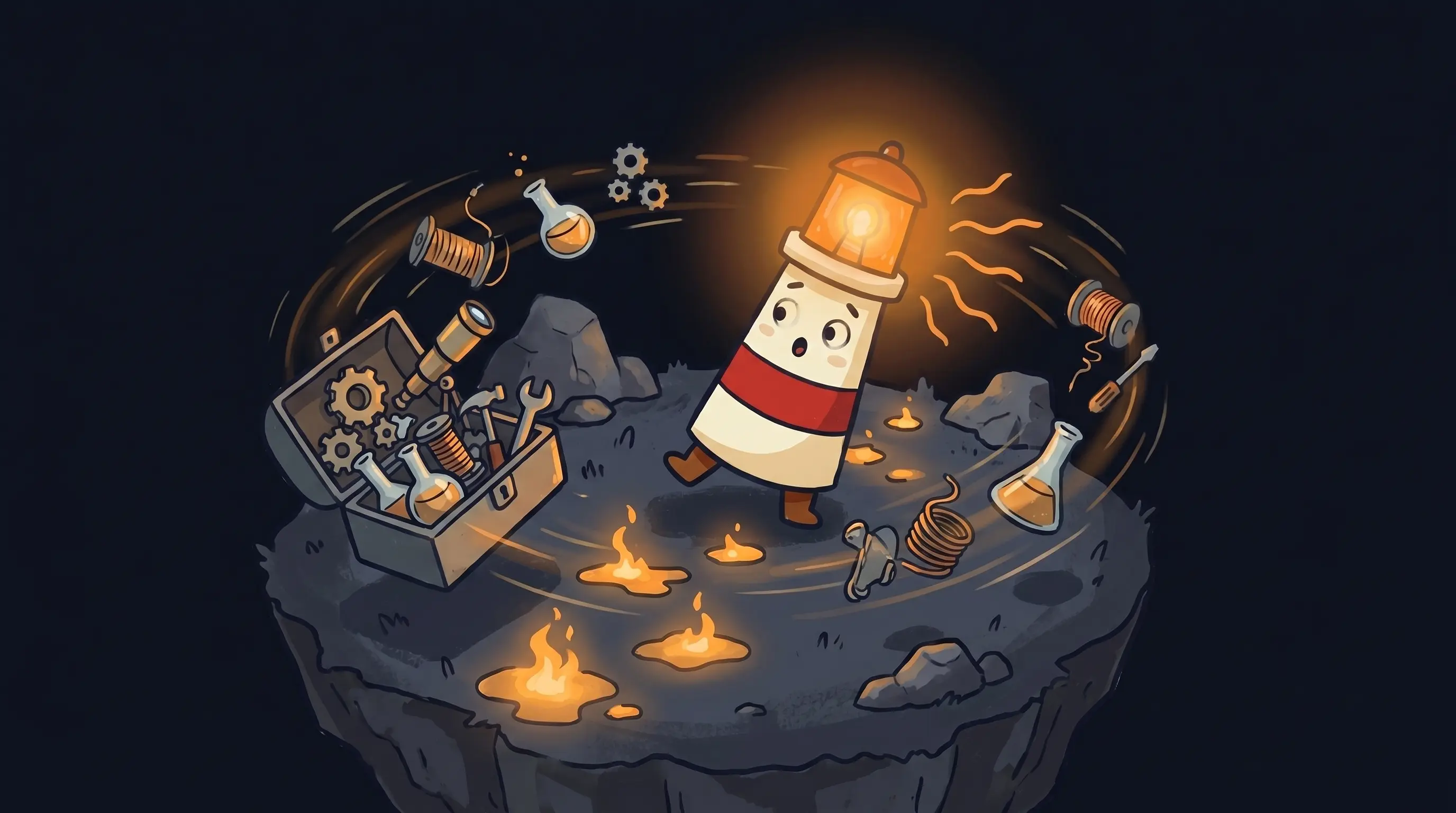
Agent Swarm lets the model spin up 100 digital workers operating simultaneously. Each worker handles one piece of a larger task. According to OfficeChai’s analysis, these workers can coordinate across 1,500 steps without anyone manually directing traffic.
Think about what that means for a research project. Instead of one agent reading one report at a time, you have 100 agents each reading a different report, then comparing notes automatically. A task that took days now takes an afternoon.
How Fast Are We Talking?
The parallel approach finishes tasks 4.5x faster than traditional single-agent methods. That’s not a small improvement — that’s the difference between delivering a competitive analysis today versus tomorrow.
The model also processes requests at 60-100 words per second. For context, that’s faster than you can read this sentence.
And here’s the number that caught my attention: Moonshot claims their pricing runs about half what Anthropic charges for Claude Sonnet 4.5. Same quality tier, half the cost, plus the parallel execution that American models don’t offer out of the box.
Why This Matters for Anyone Building with AI
I’ve been watching the gap between enterprise-grade AI deployments and individual users for three years. The story was always the same: large organizations could afford the expensive infrastructure, everyone else got the leftovers.
This release scrambles that math. A solo developer or a small team can now access the same parallel-execution capability that would’ve cost six figures to build custom last year. The model scored 50.2% on Humanity’s Last Exam — a benchmark designed to stump AI systems. That beats GPT-5.2, Claude Opus 4.5, and Gemini 3 Pro.
If you’re evaluating models to power an AI agent platform deployment or building agentic workflows for clients, K2.5 just became a credible option that wasn’t there last week.
The Hidden Catch You Need to Know
Here’s what the announcement doesn’t emphasize: the Agent Swarm feature — the 100-parallel-workers capability — is only available to paid users on Moonshot’s app. It’s not in the open-source release that developers can download and self-host.
Also: 64% hallucination rate. That’s better than the previous version, but it means the model still fabricates information roughly one-third of the time. You can’t trust it for facts without verification.
And if you want to run this privately on your own hardware? The model requires roughly 595GB of storage. It’s been tested on 2x M3 Ultra Macs at around 21.9 tokens per second. That’s not something you’re loading on a laptop.
For most users, this means using Moonshot’s paid API service rather than hosting it yourself. Budget $200-400/month to seriously test whether this fits your workflow.
What to Do This Week
- Identify your most parallelizable task — the one where splitting work across 10 workers would actually speed things up. Research compilation, competitive analysis, and document review are prime candidates.
- Calculate your current cost for that task in hours. If you’re spending 8 hours weekly on something that could be parallelized, that’s real leverage waiting to be captured.
- Create a free Moonshot account at kimi.moonshot.cn and test the base model on a small sample of your actual work data.
- If the base model handles your task reasonably well, consider the paid tier for Agent Swarm access. Budget $300-500 for a 30-day test.
- Monitor output quality obsessively. That 64% hallucination rate means you need human verification on anything customer-facing or decision-critical.
What This Shift Actually Means
- The parallel-execution gap between enterprise and individual users just narrowed significantly — 100 simultaneous workers are no longer a custom build
- Cost-per-quality dropped roughly 50% compared to equivalent American models, changing the ROI math on AI projects you may have shelved
- The 4.5x speed improvement on parallelizable tasks means anyone using this will out-deliver on anything time-sensitive
- Agent Swarm requires the paid tier — budget $300-500/month for meaningful access
- The 64% hallucination rate means verification workflows are mandatory, not optional — never let unreviewed AI output reach production
The people who win with this aren’t the ones who adopt fastest. They’re the ones who figure out which of their tasks actually benefit from 100 workers instead of one. That’s a strategy question, not a technology question. And if you’re running a personal AI agent through a platform like BrainRoad, understanding which upstream models offer the best cost-to-capability ratio directly affects your monthly spend.
For more context on how agentic AI systems like Agent Swarm fit into the bigger picture, see our agentic AI overview. And to understand how different agents compare on practical tasks, check out our guide to the best AI agents.